Can you imagine regenerating like a salamander?

Can you imagine regenerating like a salamander?




The regeneration of full limbs seems something restricted to certain creatures in nature; salamanders manage to rebuild legs, tissues, nerves and even parts of the heart as if the body simply knew how to restart its own biology. In the field, mammals follow a different logic; when we suffer a serious injury, the body prioritizes rapid healing. forming fibrous tissue instead of rebuilding the original structure.
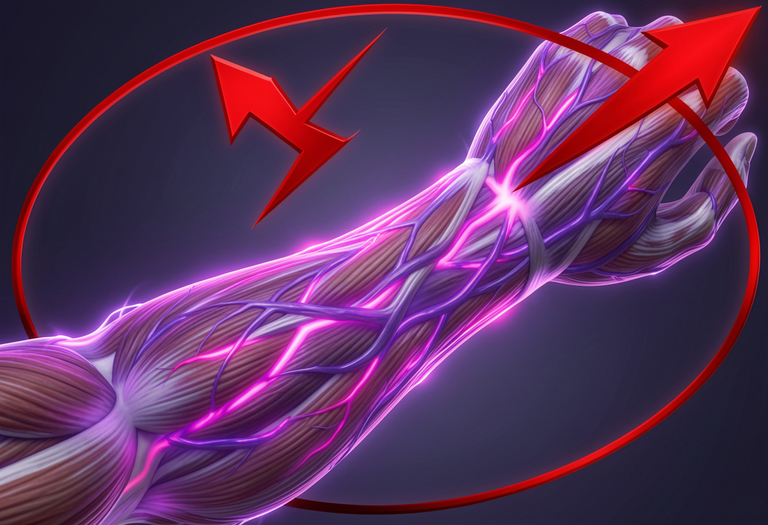

But now, scientists at Texas H&M University say they have taken an important step toward changing that. Researchers developed an experimental serum capable of stimulating mammals to activate regenerative mechanisms that normally remain “paid.” According to scientists, the regenerative capacity did not completely disappear in mammals, it was only obscured over time.


In the experiments carried out with mice, the researchers tried to artificially reproduce a biological process known as epimorphic regeneration, exactly the same mechanism used by salamanders to recreate lost limbs, it works more or less like this: after an amputation, the cells near the injury stop forming conventional scars and begin to return to a more primitive and flexible state, these cells then form a structure called blastema, a kind of temporary biological platform that serves as a basis for rebuilding bones, ligaments, joints and other tissues.


The big challenge was always to induce this behavior in mammals, so the team created a serum capable of sending specific biochemical signals to local cells, directing them first to avoid excessive scarring and then to initiate regenerative patterns and that is one of the most revolutionary parts of the research, because unlike many experimental regenerative therapies, this approach does not depend on the introduction of external stem cells.


The process uses the cells already present in the animal's body. Scientists are beginning to treat regeneration not as artificial replacement, but as internal biological reprogramming. Of course, we are still a long way from regenerating complete human arms or creating scenes worthy of science fiction. The researchers themselves recognize the current limitations of the technique, but the potential impact is enormous.


In the short term, technologies like this can help in tissue regeneration after serious accidents, burns, nerve injuries or complex surgeries and in the future they may completely change our understanding of aging, amputations and biological recovery and as we begin to reprogram tissues and regenerate body parts, scientists also begin to try to directly modify invisible patterns within the human body itself.


Sorry for my Ingles, it's not my main language. The images were taken from the sources used or were created with artificial intelligence


Posted Using INLEO


0
0
0.000
1 comments
avatar

Thanks for your contribution to the STEMsocial community. Feel free to join us on discord to get to know the rest of us!

Please consider delegating to the @stemsocial account (85% of the curation rewards are returned).

Consider setting @stemsocial as a beneficiary of this post's rewards if you would like to support the community and contribute to its mission of promoting science and education on Hive. 
 

0
0
0.000