A snail between the city and panic [Eng/Esp]


I tell you that every day, when I leave home and take my usual route to the center of Camagüey, I pass by the Iglesia de la Caridad. It is a meeting point, a place of calm, where the city's bustle stops for a second. But for a few weeks now, my morning walk has taken on a new concern. Just yesterday, when I stopped to look at the planters on the sidewalk, I saw them again: two specimens of the African Giant Snail (Lissachatina fulica), one smaller and another almost the size of my fist, clinging to the leaves of some ornamental plants.


I admit that at first I found them curious with their striped shells, brown and cream in color, and they certainly look exotic, but in this case exotic is not welcome here. I know well that this species, introduced to Cuba for Afro-Cuban religious reasons, has become a pest with serious consequences for public health.

What terrifies me most is thinking about the children. Every afternoon, in front of that same church, I see them running around, bending down to pick up small stones, touching the plants, and there the mollusks are, silent, leaving a trail of slime that can contain larvae of the parasite Angiostrongylus cantonensis, which causes eosinophilic meningoencephalitis. It is not a theoretical threat; it is real, because contact with their mucus or accidental consumption of poorly washed vegetables has caused outbreaks in several tropical countries. The little ones, that is, our children, due to their immature immune systems, are the most vulnerable.

These snails have no natural predators here and reproduce at an astonishing speed, devouring crops, lime, and even the plaster from walls, damaging our architectural heritage. Yet many neighbors still mistake them for native species or ignore them.
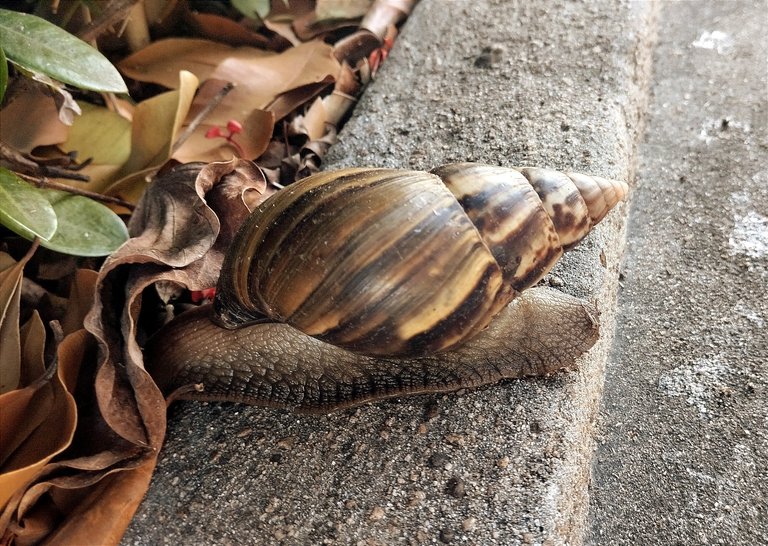

That is why I decided to write this, not out of panic, but out of responsibility. And in the meantime, every morning as I pass by, I will look at them with suppressed rage and continue to warn others, because the problem is not in faith, but in negligence, and because no one deserves for their dearest corner to become a silent trap.

✨ 𝑻𝒉𝒂𝒏𝒌𝒔 𝒇𝒐𝒓 𝒓𝒆𝒂𝒅𝒊𝒏𝒈! ✨
𝑰𝒇 𝒚𝒐𝒖 𝒅𝒐𝒏’𝒕 𝒌𝒏𝒐𝒘 𝒎𝒆 𝒚𝒆𝒕, 𝑰’𝒎 𝒂 𝑪𝒖𝒃𝒂𝒏 𝒏𝒆𝒖𝒓𝒐𝒍𝒐𝒈𝒊𝒔𝒕 𝒂𝒏𝒅 𝒘𝒓𝒊𝒕𝒆𝒓, 𝒂 𝒎𝒐𝒕𝒉𝒆𝒓, 𝒂 𝒘𝒐𝒎𝒂𝒏, 𝒂𝒏𝒅 𝒂 𝒅𝒓𝒆𝒂𝒎𝒆𝒓 𝒘𝒉𝒐’𝒔 𝒇𝒐𝒖𝒏𝒅 𝒊𝒏 𝑯𝒊𝒗𝒆 𝒂 𝒃𝒆𝒂𝒖𝒕𝒊𝒇𝒖𝒍 𝒔𝒑𝒂𝒄𝒆 𝒕𝒐 𝒔𝒐𝒂𝒓.
𝑨𝒍𝒍 𝒕𝒆𝒙𝒕 𝒂𝒏𝒅 𝒊𝒎𝒂𝒈𝒆𝒔 𝒂𝒓𝒆 𝒎𝒚 𝒐𝒓𝒊𝒈𝒊𝒏𝒂𝒍 𝒄𝒓𝒆𝒂𝒕𝒊𝒐𝒏𝒔, 100% 𝒉𝒖𝒎𝒂𝒏-𝒎𝒂𝒅𝒆 (𝒏𝒐 𝑨𝑰).
𝑩𝒂𝒏𝒏𝒆𝒓 𝒅𝒆𝒔𝒊𝒈𝒏𝒆𝒅 𝒃𝒚 𝑳𝒖𝒎𝒊𝒊.
𝑳𝒐𝒗𝒆𝒅 𝒕𝒉𝒊𝒔 𝒑𝒐𝒔𝒕? 𝑼𝒑𝒗𝒐𝒕𝒆, 𝒄𝒐𝒎𝒎𝒆𝒏𝒕, 𝒐𝒓 𝒓𝒆𝒃𝒍𝒐𝒈 𝒕𝒐 𝒔𝒑𝒓𝒆𝒂𝒅 𝒕𝒉𝒆 𝒘𝒊𝒏𝒈𝒔 𝒐𝒇 𝒄𝒓𝒆𝒂𝒕𝒊𝒗𝒊𝒕𝒚! 💛

VERSIÓN EN ESPAÑOL
Un caracol entre la ciudad y el pánico

Les cuento que todos los días, cuando salgo de casa y tomo la ruta habitual hacia el centro de Camagüey, paso frente a la iglesia de la Caridad. Es un punto de encuentro, de calma, donde el bullicio de la ciudad se detiene un segundo. Pero desde hace algunas semanas, mi caminata matutina ha adquirido una preocupación nueva. Ayer mismo, al detenerme a observar las jardineras de la acera, volví a verlos: eran dos ejemplares del caracol gigante africano (Lissachatina fulica), uno más pequeño y otro casi del tamaño de mi puño, pegados a las hojas de unas plantas ornamentales.
Confieso que al principio me parecieron curiosos con su concha rayada, de tonos marrones y crema, y que evidentemente tienen algo exótico, pero en este caso lo exótico aquí no es bienvenido. Sé bien que esta especie, introducida en Cuba por razones religiosas afrocubanas, se ha convertido en una plaga con graves consecuencias para la salud pública.
Lo que más me aterra es pensar en los niños. Cada tarde, frente a esa misma iglesia, los veo corretear, agacharse a recoger piedritas, tocar las plantas, y ahí están los moluscos, silenciosos, dejando un rastro de baba que puede contener larvas del parásito Angiostrongylus cantonensis, causante de la meningoencefalitis eosinofílica. No es una amenaza teórica, es real, porque el contacto con su mucus o el consumo accidental de verduras mal lavadas han provocado brotes en varios países tropicales. Los más pequeños, o sea, nuestros niños, por su sistema inmunitario inmaduro, son los más vulnerables.
Estos caracoles no tienen depredadores naturales aquí y se reproducen a velocidad asombrosa, devoran cultivos, cal, y hasta el estuco de las paredes, dañando nuestro patrimonio arquitectónico. Y sin embargo, muchos vecinos aún los confunden con especies nativas o los ignoran.
Por eso decidí escribir esto, no desde el pánico, sino desde la responsabilidad. Y mientras tanto, cada mañana al pasar, los miraré con rabia contenida y seguiré advirtiendo, porque el problema no está en la fe, sino en la negligencia, y porque nadie merece que su rincón más querido se convierta en una trampa silenciosa.

✨ ¡𝑮𝒓𝒂𝒄𝒊𝒂𝒔 𝒑𝒐𝒓 𝒍𝒆𝒆𝒓! ✨
𝑺𝒊 𝒂ú𝒏 𝒏𝒐 𝒎𝒆 𝒄𝒐𝒏𝒐𝒄𝒆𝒔: 𝒔𝒐𝒚 𝒏𝒆𝒖𝒓ó𝒍𝒐𝒈𝒂 𝒚 𝒆𝒔𝒄𝒓𝒊𝒕𝒐𝒓𝒂 𝒄𝒖𝒃𝒂𝒏𝒂, 𝒎𝒂𝒅𝒓𝒆, 𝒎𝒖𝒋𝒆𝒓 𝒚 𝒔𝒐ñ𝒂𝒅𝒐𝒓𝒂 𝒒𝒖𝒆 𝒆𝒏𝒄𝒐𝒏𝒕𝒓ó 𝒆𝒏 𝑯𝒊𝒗𝒆 𝒖𝒏 𝒉𝒆𝒓𝒎𝒐𝒔𝒐 𝒆𝒔𝒑𝒂𝒄𝒊𝒐 𝒑𝒂𝒓𝒂 𝒗𝒐𝒍𝒂𝒓.
𝑬𝒍 𝒕𝒆𝒙𝒕𝒐 𝒚 𝒍𝒂𝒔 𝒊𝒎á𝒈𝒆𝒏𝒆𝒔 𝒔𝒐𝒏 𝒅𝒆 𝒎𝒊 𝒂𝒖𝒕𝒐𝒓í𝒂, 100% 𝒉𝒖𝒎𝒂𝒏𝒐𝒔 (𝒔𝒊𝒏 𝑰𝑨).
𝑩𝒂𝒏𝒏𝒆𝒓 𝒅𝒊𝒔𝒆ñ𝒂𝒅𝒐 𝒑𝒐𝒓 𝑳𝒖𝒎𝒊𝒊.
¿𝑻𝒆 𝒈𝒖𝒔𝒕ó 𝒆𝒔𝒕𝒂 𝒑𝒖𝒃𝒍𝒊𝒄𝒂𝒄𝒊ó𝒏? 𝑽𝒐𝒕𝒂, 𝒄𝒐𝒎𝒆𝒏𝒕𝒂 𝒐 𝒓𝒆𝒃𝒍𝒐𝒈𝒖𝒆𝒂 𝒑𝒂𝒓𝒂 𝒂𝒚𝒖𝒅𝒂𝒓 𝒂 𝒅𝒆𝒔𝒑𝒍𝒆𝒈𝒂𝒓 𝒆𝒔𝒕𝒂𝒔 𝒂𝒍𝒂𝒔. 💛
gracias por compartir esta informacion de salud, me llama la atencion lo del parásito.
yo tambien camino mucho por mi pueblo y voy a estar mas pendiente horita. saludos.
thanks for sharing this health information, i am interested in the parasite part.
i also walk a lot through my town and i will be more observant right now. greetings