La otra historia del fútbol [Esp-Eng]

Saludos, comunidad.
A la espera de los venideros partidos de semifinales de la Champions League, hoy no voy a hablarles de resultados o estadísticas; traigo una dinámica diferente, en la que comentaré algo de la historia del surgimiento y masificación del fútbol.
Pocas cosas en este mundo logran unir a la gente como lo hace el deporte, y muy especialmente el fútbol. Su historia no es un simple capricho del destino; todo lo contrario, pues su origen responde a una lógica muy concreta, nacida en la Inglaterra del siglo XIX. Para entenderlo tenemos que situarnos en el contexto de la Revolución Industrial.
Greetings, community.
As we await the upcoming Champions League semifinals, today I won't be talking about results or statistics. Instead, I bring a different kind of discussion—one that touches on the history of football's emergence and mass adoption.
Few things in this world bring people together like sports, and football especially. Its history is no mere twist of fate; quite the opposite—its origins follow a very specific logic, born in 19th-century England. To understand it, we have to place ourselves in the context of the Industrial Revolution.

Inglaterra era en ese entonces la gran locomotora del capitalismo mundial, un imperio en plena expansión industrial y comercial, pero sus élites necesitaban algo más que riqueza material; buscaban una herramienta capaz de forjar el carácter de las futuras generaciones de líderes, administradores y soldados de su vasto imperio, y es ahí donde el deporte se vuelve clave. No bastaba con tener mentes brillantes; también se necesitaban cuerpos fuertes y saludables, y un espíritu de equipo y liderazgo, para lo que el fútbol resultó ser la herramienta perfecta.
Por eso el fútbol moderno no nació en las calles, sino en los prestigiosos colegios privados como Eton, Harrow, Rugby, Cambridge y Oxford. Allí se empezaron a codificar las primeras reglas, transformando el violento y desorganizado "fútbol de masas" medieval en un deporte reglado que inculcaba valores de trabajo en equipo, disciplina y fortaleza. Un momento fundacional fue en octubre de 1863, cuando se fundó la Football Association (FA) en Londres, unificando las reglas; este evento es considerado el acta de nacimiento del deporte que hoy conocemos.
Back then, England was the great engine of global capitalism, an empire in full industrial and commercial expansion. But its elites needed more than material wealth; they sought a tool capable of shaping the character of future generations of leaders, administrators, and soldiers for their vast empire. That's where sport became key. It wasn't enough to have brilliant minds—they also needed strong, healthy bodies, as well as teamwork and leadership skills. Football turned out to be the perfect instrument.
That's why modern football wasn't born on the streets, but in prestigious private schools like Eton, Harrow, Rugby, Cambridge, and Oxford. There, the first rules began to be codified, transforming the violent, disorganized "mob football" of the Middle Ages into a regulated sport that instilled the values of teamwork, discipline, and resilience. A foundational moment came in October 1863, when the Football Association (FA) was founded in London, unifying the rules. This event is considered the birth certificate of the sport we know today.
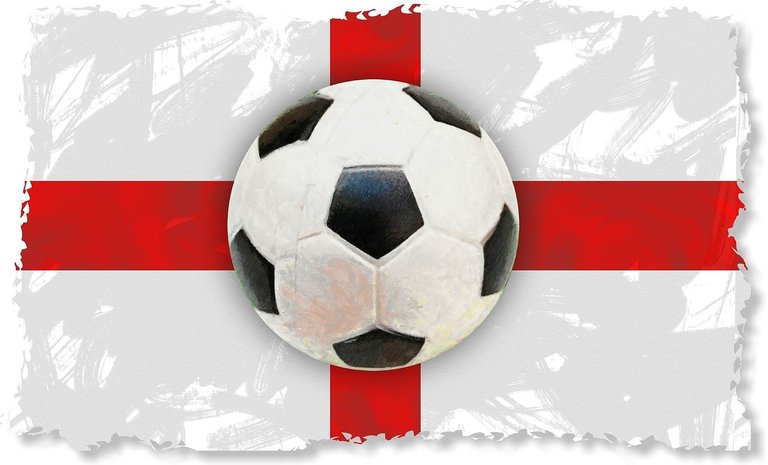
El salto de las aulas de élite a las masas se dio gracias a los propios británicos, que expandieron el deporte a diversos lugares del planeta. El fútbol viajó en los barcos y maletas de marineros, comerciantes, ingenieros y obreros que expandían el imperio.
En el caso de América Latina, la conexión es muy directa: los primeros partidos y clubes no surgieron de forma aislada, sino de la mano de las inversiones británicas, principalmente en el ferrocarril. En Argentina, trabajadores ferroviarios participaron en los primeros encuentros hacia 1867 (el Buenos Aires Football Club se fundó ese año); en Brasil, se dice que un joven de ascendencia británica, que volvió de estudiar en Inglaterra, organizó los primeros partidos; en Uruguay, en 1891 se fundó el Central Uruguay Railway Cricket Club (CURCC) con el objetivo claro de competir contra los equipos de la colonia inglesa (aunque ya había partidos informales desde la década de 1870); en Chile y Perú la historia se repite, surgiendo clubes de las comunidades británicas.
The leap from elite classrooms to the masses came thanks to the British themselves, who spread the sport to various parts of the planet. Football traveled in the ships and suitcases of sailors, merchants, engineers, and workers who were expanding the empire.
In Latin America, the connection is very direct: the first matches and clubs didn't emerge in isolation but rather hand in hand with British investments, mainly in the railway. In Argentina, railway workers took part in the early matches around 1867 (the Buenos Aires Football Club was founded that same year). In Brazil, it's said that a young man of British descent, returning from studies in England, organized the first games. In Uruguay, the Central Uruguay Railway Cricket Club (CURCC) was founded in 1891 with the clear goal of competing against teams from the English colony (though informal matches had been played since the 1870s). In Chile and Peru, the story repeats itself—clubs sprang up within British communities.
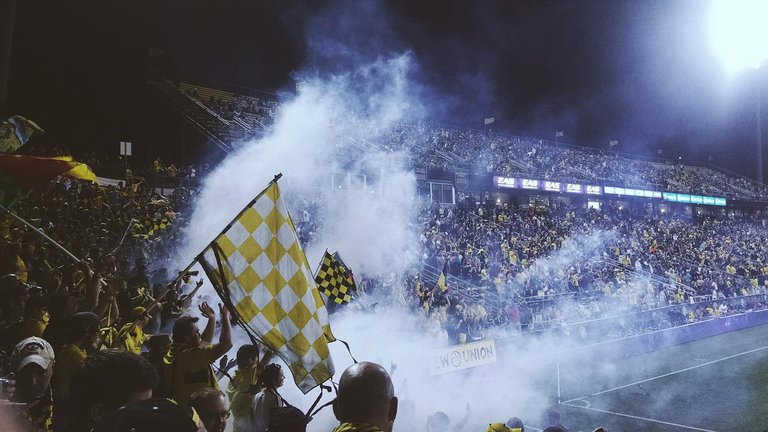
La masificación no se detuvo ahí: el balón rodó rápidamente por el resto de Europa. En Suiza, por ejemplo, se formaron clubes en la década de 1870 (como el FC St. Gallen en 1879), mientras que en Dinamarca hacia 1876. El continente africano no quedó al margen del fenómeno: los colonos británicos organizaron los primeros partidos en Sudáfrica en la década de 1860, y el deporte se propagó como vehículo de los valores victorianos de disciplina y orden.
En fin, la historia del fútbol va mucho más allá de los goles y las estadísticas; es el reflejo de una época de profundos cambios sociales. Un deporte nacido para educar a las élites se convirtió en pasión del pueblo y fenómeno global; el viaje que comenzó en los fríos campos de juego ingleses, hoy como sabemos, no para de vibrar en diversos rincones del planeta.
Massification didn't stop there: the ball quickly rolled across the rest of Europe. In Switzerland, for instance, clubs formed in the 1870s (like FC St. Gallen in 1879), and in Denmark around 1876. The African continent was not left out: British colonists organized the first matches in South Africa in the 1860s, and the sport spread as a vehicle for Victorian values of discipline and order.
In short, the history of football goes far beyond goals and statistics; it reflects an era of profound social change. A sport born to educate the elite became the passion of the people and a global phenomenon. The journey that began on the cold playing fields of England, as we know, continues to pulse in countless corners of the planet.
Translated with Google (free version)
Traducido con Google (versión gratuita)
Gracias por su visita
Thank you for your visit
Posted Using INLEO