When “Volatility Is Vitality”: Turning market swings into an advantage

In most financial conversations, volatility is treated like a warning sign. Sharp price movements trigger fear, uncertainty, and rushed decisions. People are taught to avoid volatile assets, to seek stability, and to equate calm markets with safety. Yet crypto refuses to fit neatly into that mindset. Volatility is not an anomaly in crypto; it is the natural state of the market. The question, then, is not how to escape volatility, but how to manage it well.
When approached correctly, volatility becomes vitality, which is the very energy that creates opportunity.
The first step in managing volatility is reframing how you see it. Volatility is information. Price swings reveal where liquidity is moving, where sentiment is overheated, and where fear has created discounts. Instead of reacting emotionally to green or red candles, experienced investors learn to read them. They understand that rapid drops often reflect panic, not fundamentals, and that sudden rallies often come with short-term risk. Volatility exposes inefficiencies, and inefficiencies are where value is found.
Position sizing is another critical tool. Volatility only hurts when your exposure exceeds your emotional and financial capacity. Overcommitting turns normal market swings into personal crises. Managing volatility means investing amounts you can hold through downturns without being forced to sell. Smaller, intentional positions give you staying power, and staying power is essential in a market that rewards patience more than precision.
Time horizon also determines whether volatility works for or against you. Short-term traders may fear sudden moves, but long-term participants often depend on them. Accumulation thrives during drawdowns. Dollar-cost averaging, for example, turns volatility into an ally by systematically buying through highs and lows. Instead of guessing the perfect entry, you allow volatility to improve your average position over time.
Liquidity management matters just as much as asset selection. Keeping dry powder, I mean stable assets or reserves, allows you to act when volatility creates rare opportunities. Many investors fail not because they were wrong about the market, but because they had no liquidity when it mattered most. Volatility rewards preparedness.
Risk diversification is another way to harness market swings. Exposure across different narratives, time frames, and asset types reduces the impact of sudden shocks. When one segment cools off, another often heats up. Volatility shifts capital; it does not destroy it. Being positioned across those shifts helps you stay in motion rather than frozen by fear.
Most importantly, volatility demands emotional discipline. Markets move faster than human psychology can comfortably handle. Without a plan, volatility pushes people into buying highs, selling lows, and chasing trends. Clear rules such as why you entered, when you will add or reduce. etc, protects you from reacting impulsively.
In crypto, volatility is unavoidable. But it is not inherently destructive. Managed well, it compounds experience, sharpens strategy, and builds resilient portfolios. To the unprepared, volatility feels like chaos. To the prepared, it feels like momentum.
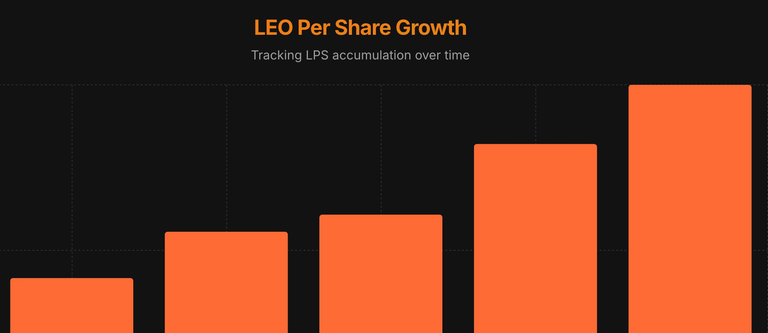
When volatility is understood, respected, and managed, it stops being the enemy. It becomes vitality, the force that turns uncertainty into opportunity and movement into growth. I'm learning my path hrough volatility slowly wth LSTR's Leo per share.
I am your Blockchain and Technology Storyteller.
Posted Using INLEO
Congratulations @bamfy! You received a personal badge!
You can view your badges on your board and compare yourself to others in the Ranking
Check out our last posts: